
Waste that sits in a trap gives off gas, and that gas becomes acid. Year by year it pits concrete, rusts steel, opens leaks and weakens the baffle, the wall that keeps floating grease away from the outlet. Once that happens, a pump-out on time won’t save the inspection. The trap itself is the problem.

A person picks up day or night. Have your last inspection report nearby if you’ve got one.
A technician visits and prices the job from the size of the trap and the amount of damage.
Your registered pumping company empties the trap before we arrive. Houston only lets a truck with current registration decals take the waste.
Degrease, patch every hole and crack, rebuild broken walls, then coat the entire trap using materials certified to NSF/ANSI 14 and 61.
By morning the trap is ready. It’s guaranteed to pass inspection, and our 10-year warranty covers labor and materials as long as the trap gets regular pump-outs.
| Repairing your trap | Buying a new trap | |
|---|---|---|
| Kitchen downtime | None, we work overnight | Plan for it |
| Price | Typically under half the cost of replacement | A new trap plus the work to fit it |
| Cover | 10-year warranty on labor and materials, as long as the trap gets regular pump-outs | Depends on the installer |
| Right for | Leaks, cracks, corrosion, a broken baffle | A trap past saving, or no trap at all |
Houston’s code expects more than an empty trap. Every 180 days at the latest, the trap has to be emptied, cleaned, inspected and repaired where needed. Health Department inspectors visit at least once a year, without notice, and look at the trap itself as well as your paperwork.
“In any event, a grease trap or holding tank shall be fully evacuated, cleaned, inspected, and, if needed, repaired or otherwise maintained, at least once every 180 days.” — Houston Code of Ordinances § 47-512(f)
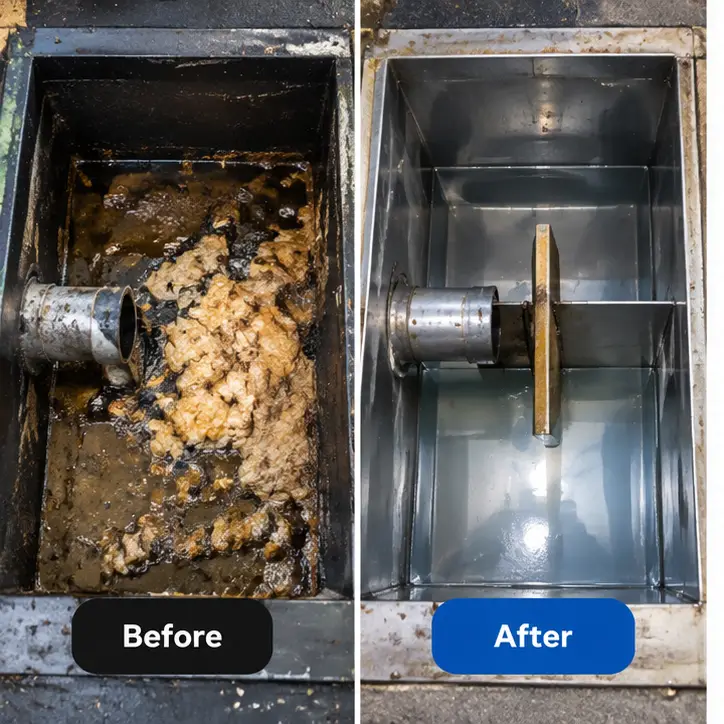
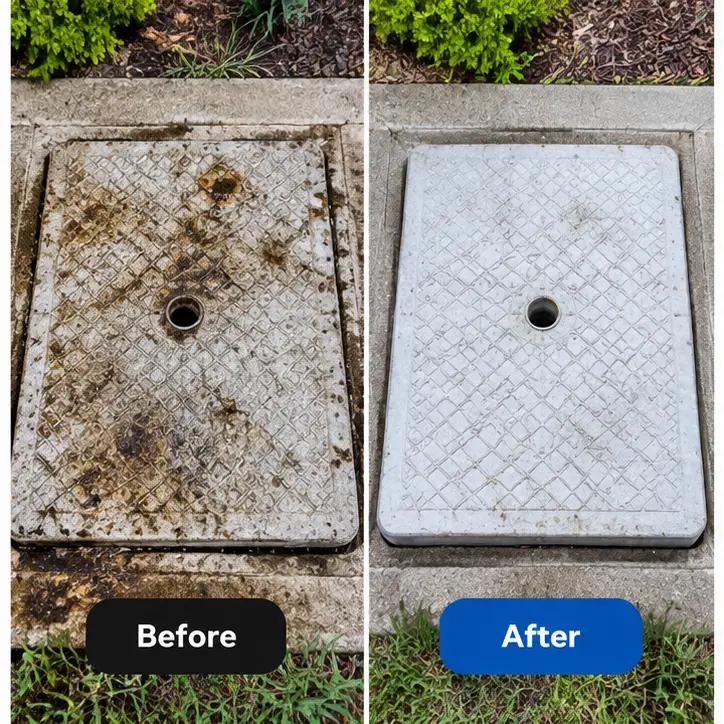
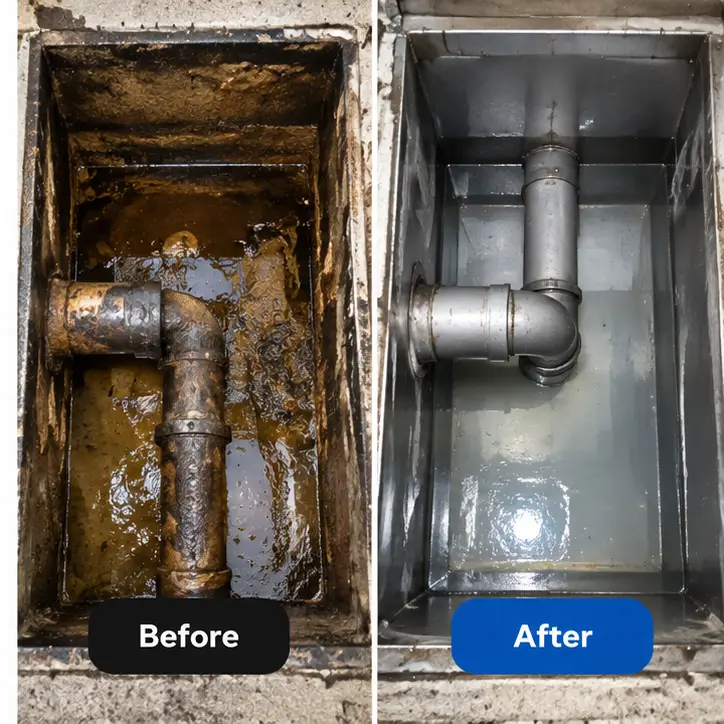
No. The work runs overnight after you close, and the trap is usable the next morning, even a large one.
No. A broken baffle wall gets rebuilt inside the trap you already have.
That’s the name of our method: degrease, fix the holes and cracks, rebuild broken walls, then coat the whole trap. Some people call it lining.
High industrial-grade materials, a repair back to the original specifications, and coordination with city inspectors on any inspection that’s needed.
That depends on the size of the trap and the amount of damage, which is why prices aren’t listed here. Your free on-site inspection sets the price, and a repair typically runs under half the price of a replacement.
No. A registered pumping company does that, before the repair and then on Houston’s 90-day schedule.
Partner with Houston’s trusted grease trap experts and request your free quote today.