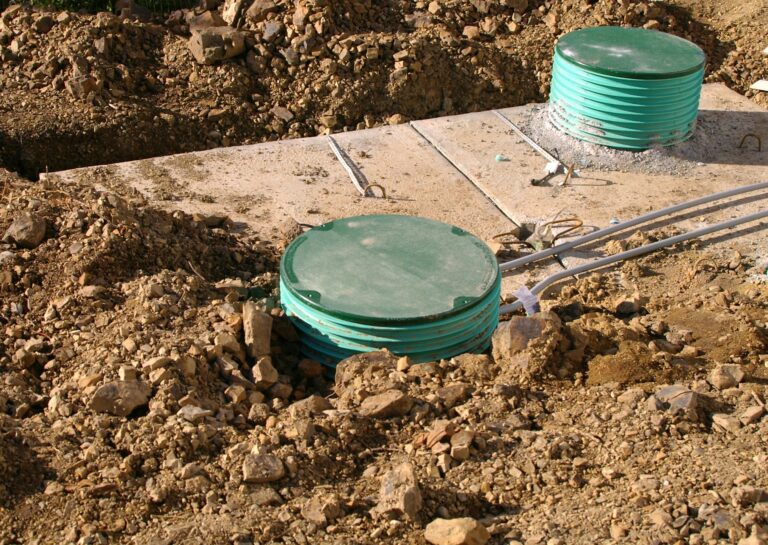
Why Grease Trap Deep Cleaning Matters in Houston?
Commercial kitchens produce grease, oil, and food residue every day, making proper wastewater management an important part of restaurant operations. When these materials collect
Commercial kitchens produce grease, oil, and food residue every day, making proper wastewater management an important part of restaurant operations. When these materials collect
Commercial kitchens depend on properly functioning drainage systems to manage wastewater from cooking, cleaning, and food preparation. Over time, fats, oils, grease, and food
Commercial kitchens produce wastewater containing cooking oils, animal fats, and food residue that should be separated before it enters the main drainage system. A
Grease traps are an essential part of wastewater management for restaurants, cafés, food preparation facilities, and other commercial kitchens. Their primary role is to
A grease trap is an important part of wastewater management for many commercial kitchens because it helps separate fats, oils, and grease before they
Grease traps are designed to keep fats, oils, and grease from moving directly into commercial drainage systems. In busy restaurants, cafeterias, food-service facilities, and
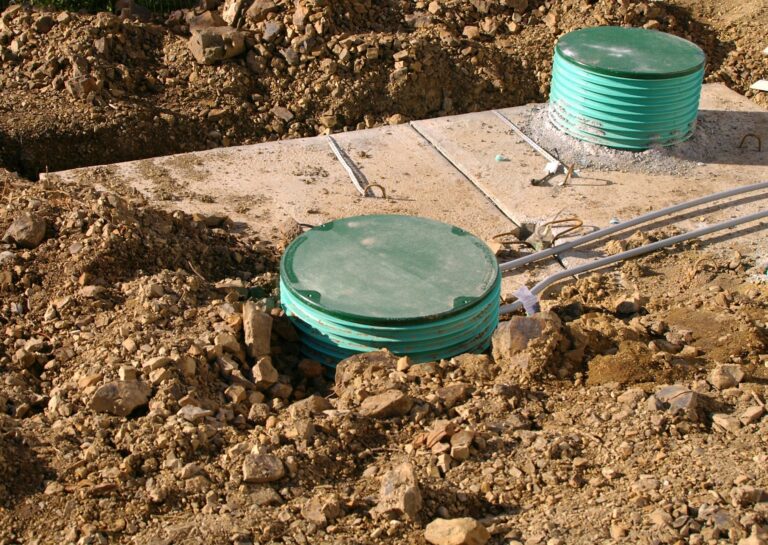
Grease traps are an important part of wastewater management in commercial kitchens because they help separate fats, oils, and grease from wastewater before it
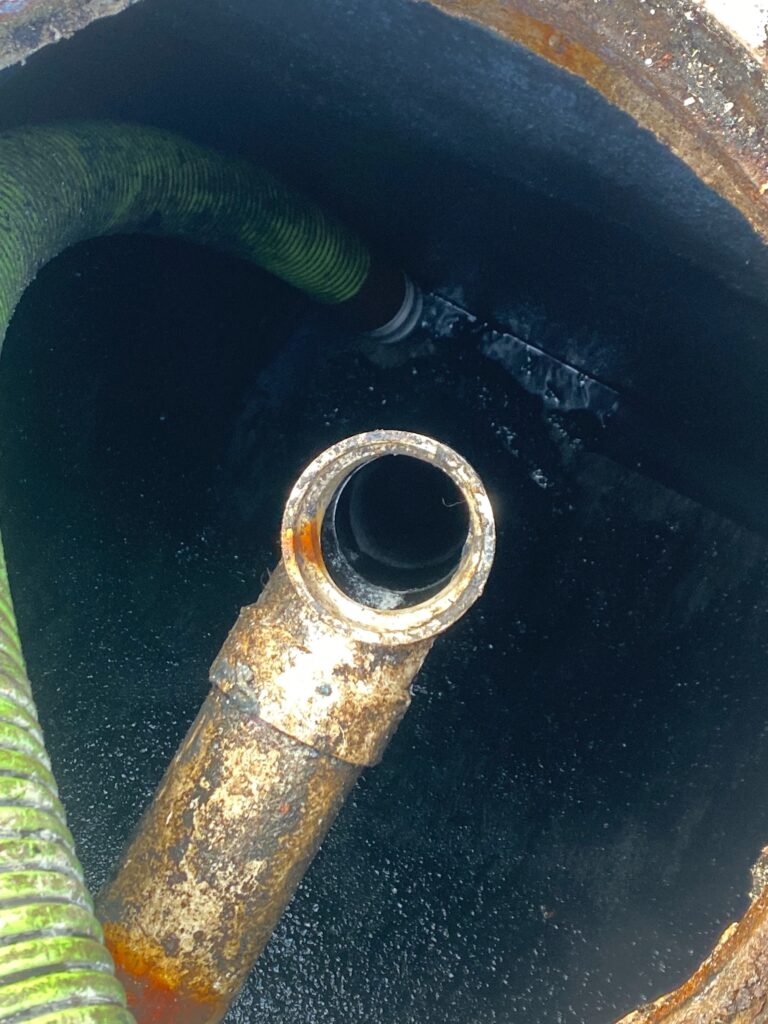
Commercial kitchens depend on properly functioning drainage systems to handle wastewater produced during cooking, washing, and food preparation. Grease, oils, food particles, and other
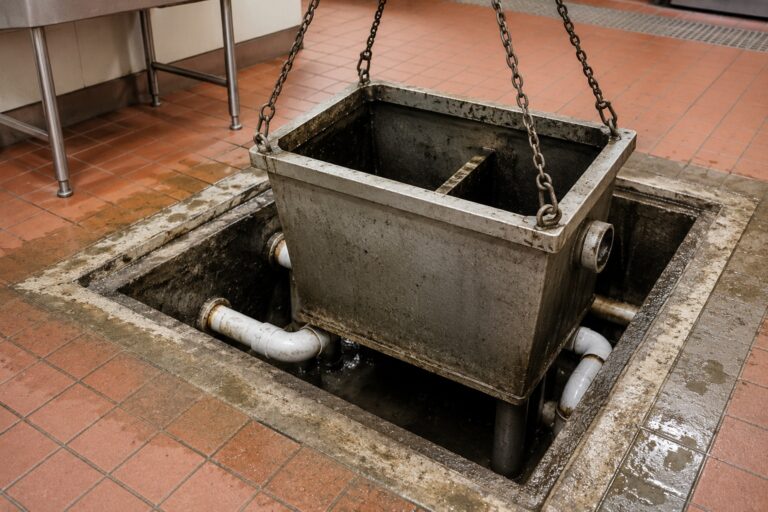
Commercial kitchens need an effective grease management system to handle fats, oils, grease, and food particles produced during daily operations. A properly selected and

Last reviewed: September 2026 The short answer Texas has no statewide grease trap pump-out schedule. Cities set the rules. In Houston, the city code