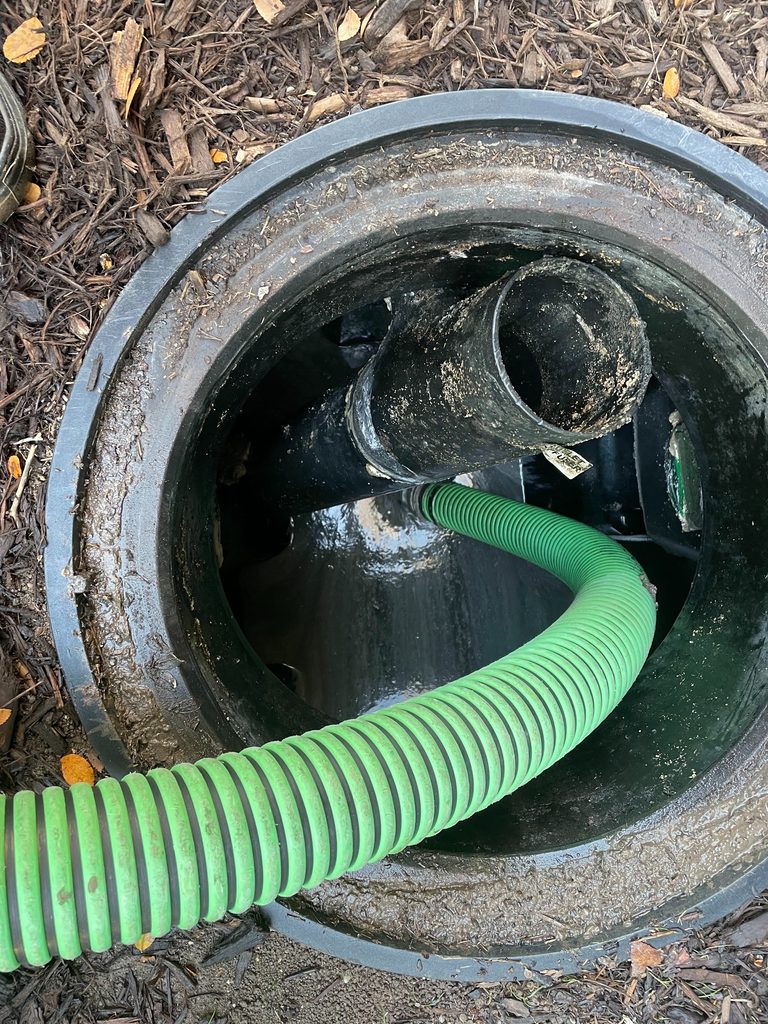
Grease traps are an essential part of wastewater management for restaurants, cafés, food preparation facilities, and other commercial kitchens. Their primary role is to separate fats, oils, grease, and solid particles from wastewater before it moves into the larger drainage system. Because these materials continuously enter the trap during daily kitchen operations, residue can gradually collect inside the unit. If that buildup is left unattended, it can affect the available capacity and overall performance of the trap. Regular attention to grease trap condition helps businesses maintain better drainage and reduce the possibility of avoidable problems within their kitchen plumbing system.
Effects of Grease and Food Residue
The amount of material entering a grease trap can vary depending on the type of food being prepared and the volume of kitchen activity. Cooking oils, meat fats, sauces, and food particles can settle in different areas of the trap after wastewater enters the unit. Some residue may remain attached to internal surfaces even after the accumulated contents have been removed. As this material continues to collect, the trap may have less room available to separate incoming grease from wastewater. Over time, heavy residue can also contribute to unpleasant smells and changes in drainage performance, making thorough cleaning an important part of ongoing kitchen maintenance.
Role of Deep Cleaning
Deep cleaning provides a more thorough approach when grease has accumulated beyond what routine servicing can effectively address. Grease Trap Deep Cleaning in Houston, TX can help remove stubborn residue from internal areas of the trap that may remain coated with grease and debris. A thorough cleaning process can restore some of the space occupied by hardened buildup and allow the trap to function under normal kitchen conditions. This can be particularly relevant for high-volume food businesses where grease enters the system frequently. The need for deep cleaning may depend on the trap’s size, usage level, previous maintenance, and the amount of material found during inspection.
Recognizing Maintenance Concerns
Changes in the way a grease trap or connected drainage system operates can provide useful information about its condition. Unusual odors may develop when organic waste and grease remain inside for extended periods. A kitchen may also experience slower drainage when accumulated material begins affecting wastewater movement. If the trap appears to require servicing more frequently than usual, excessive internal buildup may be one possible reason. Paying attention to these changes allows business owners and kitchen managers to arrange maintenance before a minor concern develops into a larger disruption. Regular observation can therefore be a useful part of managing commercial kitchen equipment.
Establishing a Suitable Cleaning Routine
Every commercial kitchen produces grease at a different rate, so maintenance requirements are not identical for every business. Restaurants with extensive frying operations may experience faster accumulation than facilities with lighter food preparation. The number of meals served, cooking methods, wastewater volume, and grease trap capacity can all influence how often cleaning is needed. Instead of relying on a fixed schedule without considering actual conditions, businesses can monitor the rate of buildup and adjust servicing accordingly. Maintaining records of previous cleanings can also help identify patterns and make future maintenance planning more practical.
Professional Grease Trap Maintenance in Houston
Consistent grease trap maintenance can help commercial kitchens manage accumulated waste and maintain a more dependable drainage system. Grease Trap Repairs TX provides grease trap services for businesses that need assistance with cleaning and ongoing maintenance. Professional servicing can address accumulated grease and residue while helping businesses remain aware of the condition of their equipment. Keeping the trap properly maintained may help reduce unpleasant odors, support smoother wastewater flow, and limit unexpected interruptions caused by excessive buildup. For Houston commercial kitchens, regular attention to grease trap cleanliness is a practical part of maintaining an organized and efficient wastewater management system.