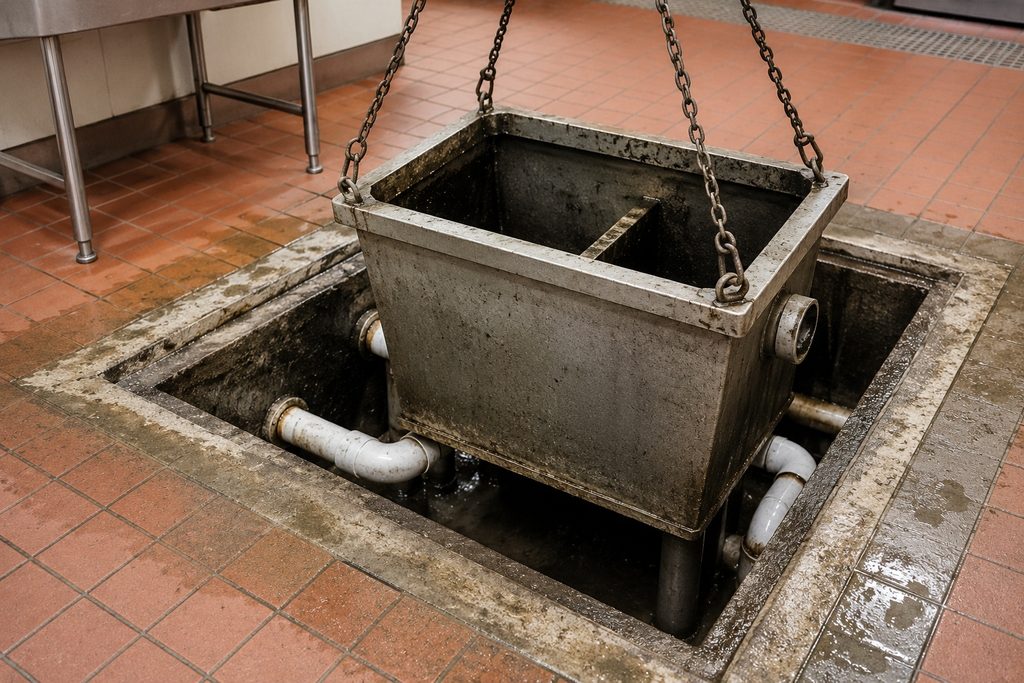
Commercial kitchens produce wastewater containing cooking oils, animal fats, and food residue that should be separated before it enters the main drainage system. A grease trap provides a designated space where these materials can be collected instead of passing directly into plumbing lines. For newly opened restaurants and businesses upgrading their kitchen facilities, selecting and installing suitable equipment is an important part of wastewater management. Grease Trap Installation Services in Houston, TX can help commercial property owners establish a system that fits their plumbing arrangement and daily operating demands. Careful planning from the beginning can make the equipment easier to access, maintain, and operate over time.
Factors That Influence Equipment Selection
Choosing a grease trap requires an understanding of how the kitchen uses water and produces grease. The number of sinks, dishwashing stations, food preparation areas, and other connected fixtures can influence the required capacity. A restaurant with continuous food preparation may need a different arrangement from a small café with limited cooking activity. Available installation space is another consideration, particularly in buildings where plumbing access is restricted. Business owners should also consider how the unit will be opened, inspected, and cleaned after installation. Evaluating these requirements before purchasing equipment helps reduce the risk of choosing a system that does not suit the property’s needs.
Preparing the Plumbing Arrangement
A successful installation begins with examining the existing plumbing layout and determining where the grease trap can be connected appropriately. The proposed location should allow wastewater to enter the unit and continue toward the drainage system through properly arranged connections. Technicians may need to assess pipe positioning, floor space, access points, and the possibility of modifying existing plumbing. The installation plan should also account for future servicing so that cleaning does not require unnecessary disruption to kitchen activities. Reviewing applicable local plumbing codes and approval requirements before starting the work helps businesses plan the project more effectively and avoid preventable compliance issues.
Important Installation Considerations
The performance of a grease trap depends on correct sizing, suitable placement, and properly connected plumbing components. If the equipment is too small for the kitchen’s wastewater volume, it may require more frequent servicing and may not provide adequate separation under demanding conditions. Poorly arranged connections or restricted access can also make maintenance more difficult. After installation, the system should be checked for leaks, connection problems, and appropriate wastewater flow. These checks help confirm that the equipment is ready for normal use. Paying attention to installation details can reduce avoidable operational problems and provide a more practical foundation for ongoing grease management.
Professional Grease Trap Installation in Houston
Grease Trap Repairs TX offers grease trap services for businesses managing commercial kitchen wastewater systems. When planning an installation, property owners should consider their kitchen layout, expected grease production, equipment capacity, and future maintenance requirements. Professional evaluation can help identify the factors that may affect the installation and determine whether the existing plumbing arrangement needs adjustments. A well-planned setup can make routine access easier and help businesses manage the grease produced during daily food preparation. Before work begins, owners should confirm the project’s scope, equipment specifications, and applicable local requirements to ensure the proposed installation suits their facility.
Maintaining Equipment After Installation
Installing a grease trap is only the first step in maintaining an effective grease management system. As the kitchen operates, fats, oils, and food particles continue to accumulate inside the equipment, making regular inspection and cleaning necessary. Staff can support the system by removing food scraps before washing dishes and keeping excess cooking oil out of sinks. Business owners should also monitor drainage performance and arrange maintenance when the trap approaches its service requirements. Maintaining records of inspections and cleanings can help establish a suitable schedule based on actual kitchen usage. Consistent care helps protect the investment in the equipment and supports dependable wastewater handling.