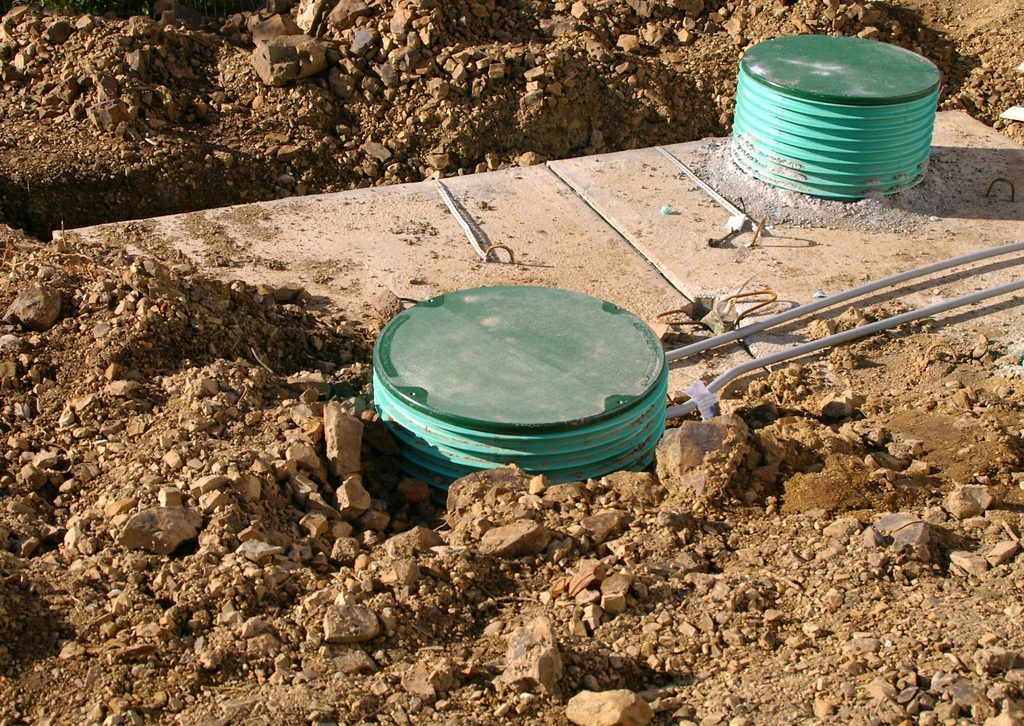
A grease trap is an important part of wastewater management for many commercial kitchens because it helps separate fats, oils, and grease before they enter connected drainage lines. Restaurants, cafeterias, and other food-service businesses can produce substantial amounts of grease through everyday cooking and cleaning activities. Installing a suitable trap requires consideration of the kitchen’s plumbing layout, wastewater flow, available space, and expected usage. Grease Trap Installation Services in Houston, TX can help businesses establish a grease management system that fits their operational needs and supports proper wastewater handling.
Why Is a Grease Trap Important for Commercial Kitchens?
Cooking oils, fats, and grease can enter kitchen drains during normal food preparation and cleanup. Without an appropriate grease management system, these materials can collect inside drainage pipes and gradually restrict wastewater flow. A grease trap provides a designated area where grease can be separated before wastewater continues through the plumbing system. This helps reduce the amount of grease entering connected drainage lines and supports more effective wastewater management. For busy kitchens, having a properly selected and installed trap can be an important part of maintaining a functional drainage system.
How Does the Kitchen Layout Affect Installation?
The physical layout of a commercial kitchen can influence where a grease trap can be positioned. The installation needs to work with existing drainage lines while remaining accessible for future cleaning and inspection. Available space, pipe connections, wastewater movement, and the location of kitchen fixtures can all affect the installation plan. Considering these conditions before work begins can help avoid unnecessary plumbing changes and make future servicing easier. A suitable location should provide effective drainage while allowing the grease trap to remain practical for regular maintenance.
What Should Businesses Consider When Choosing a Trap?
The size and type of grease trap should correspond with the needs of the commercial kitchen. A small food-service operation may have different wastewater requirements than a high-volume restaurant that serves customers throughout the day. Expected grease production, water flow, available installation space, and existing plumbing connections should all be evaluated before selecting a system. Choosing equipment based only on appearance or initial cost may create problems if the trap cannot adequately handle the kitchen’s regular wastewater volume. Careful planning can support better long-term performance.
Why Does Proper Installation Matter?
A grease trap needs to be installed correctly so that wastewater can move through the system as intended. Improper connections, poor positioning, or inadequate sealing can contribute to leaks and drainage problems. Installation should also account for access to the trap because regular cleaning and inspection will be necessary after it is placed into service. Grease Trap Installation Services in Houston, TX can help businesses address these factors and establish a system that works appropriately with the property’s existing drainage infrastructure.
How Can Businesses Maintain a New Grease Trap?
A newly installed grease trap still requires consistent care to maintain its performance. Regular cleaning can help prevent excessive grease accumulation, while proper disposal practices can reduce unnecessary material entering the system. Kitchen staff should avoid pouring large amounts of cooking oil and grease directly into drains because these materials can increase the burden on the trap and connected plumbing. Routine inspections can also help identify developing concerns early. Grease Trap Repairs TX can assist when a system develops leaks, blockages, or other problems that require professional attention. Proper installation combined with ongoing maintenance can help commercial kitchens maintain reliable grease management for the long term.