Commercial kitchens produce wastewater containing cooking oils, fats, food scraps, and other residue that can collect inside drainage equipment. Without regular maintenance, this waste may affect plumbing performance and create unpleasant working conditions. Proper cleaning helps restaurants manage these materials before they contribute to recurring drainage concerns. Grease Trap Deep Cleaning in Houston, TX helps commercial kitchens remove accumulated waste, maintain the trap’s capacity, and support dependable wastewater management. Understanding the cleaning process allows restaurant owners to make informed decisions about equipment care.
What Happens When Grease Traps Collect Too Much Waste?
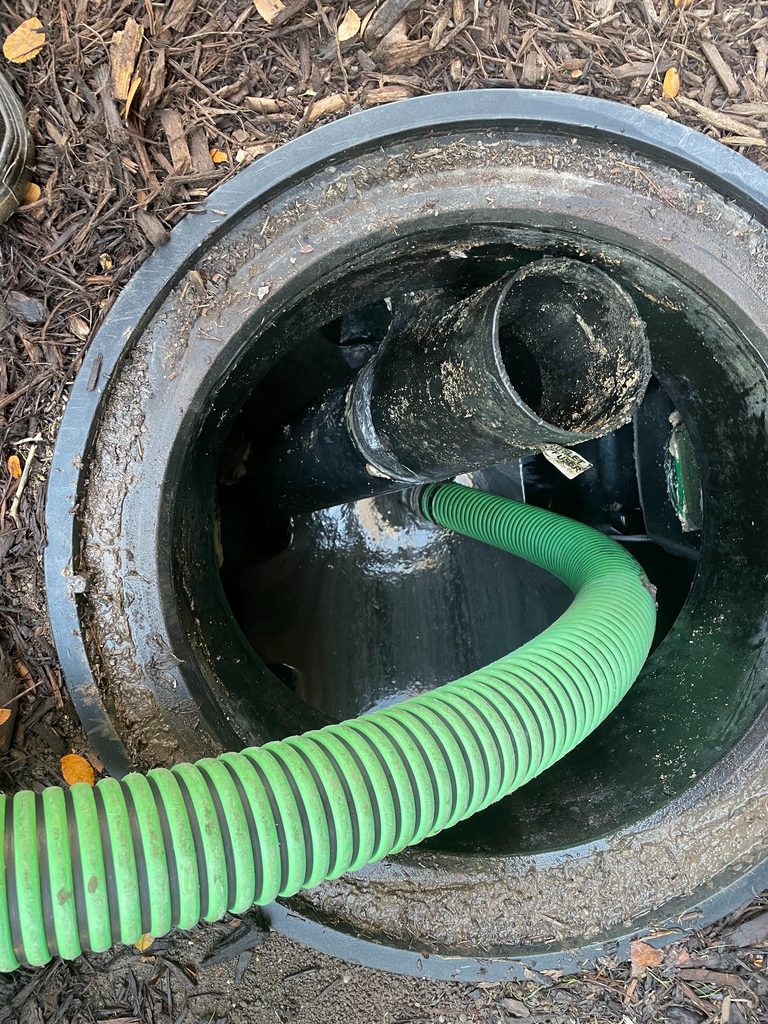
A grease trap separates fats, oils, and grease from wastewater before it reaches the connected drainage system. As wastewater passes through the unit, grease rises while heavier food particles settle. Over time, these materials accumulate and reduce the space available for separation. If waste remains inside for too long, the trap may become less effective and develop strong odors. Excessive buildup can also contribute to drainage problems. Removing collected material through appropriate cleaning helps restore usable capacity and supports the system’s intended function.
How Does Deep Cleaning Support Better Drainage?
Grease and food debris can interfere with the normal movement of wastewater when they accumulate inside the trap or around its connections. This may contribute to slow-draining sinks, recurring blockages, and unpleasant smells near kitchen work areas. Deep cleaning removes accumulated material that routine surface cleaning cannot address. The process also allows the unit’s condition to be checked for visible damage, leaks, or other concerns. Maintaining a cleaner trap can help restaurants reduce preventable disruptions, although separate plumbing faults may still require additional investigation or repairs.
Which Warning Signs Should Restaurant Staff Recognize?
Kitchen employees should pay attention to changes in drainage and the condition of the grease trap. Persistent odors, water draining more slowly than usual, and repeated blockages may indicate that the unit needs attention. Visible grease around the equipment or signs of leakage should also be investigated. These symptoms do not always mean the trap simply requires cleaning, as damaged components or problems farther along the drainage line can produce similar effects. An inspection helps identify the likely cause and determine whether cleaning, repairs, or further maintenance is appropriate.
How Often Should Houston Restaurants Arrange Cleaning?
The required cleaning frequency depends on the trap’s size, kitchen workload, food preparation methods, and amount of wastewater produced. A busy restaurant may accumulate grease more quickly than a smaller food business. Owners should follow manufacturer guidance, applicable local requirements, and recommendations from qualified maintenance professionals when establishing a schedule. Recording service dates and observing how much waste collects between visits can help businesses plan future cleaning. Regular checks are particularly useful because waiting for a blockage or overflow may disrupt kitchen operations and create additional maintenance costs.
What Practices Help Keep Grease Traps Cleaner?
Everyday kitchen habits can reduce the amount of grease and food waste entering the drainage system. Staff should scrape food scraps into waste containers, collect used cooking oil separately, and avoid pouring fats directly into sinks. Sink strainers can catch larger particles before they enter the plumbing. These practices reduce unnecessary buildup but do not replace scheduled cleaning and inspection. Grease Trap Repairs TX helps businesses understand grease trap cleaning, repair, and maintenance needs. Combining responsible kitchen practices with a consistent service schedule supports reliable drainage and a cleaner environment for employees and customers.