The definitive signs of a full grease trap include slow-draining sinks, foul sewage odors in your kitchen, loud gurgling sounds in your plumbing lines, and grease visibly backing up through your floor drains. If you notice any of these warning signs, your system has exceeded its working capacity, and you must schedule a professional grease trap cleaning Taxes service immediately to protect your plumbing and prevent costly regulatory violations.
For restaurant owners, commercial kitchen managers, and local chefs operating in the region, managing food solids, fats, oils, and grease (FOG) is a strict operational reality. Navigating local city guidelines requires an active maintenance plan. If your commercial facility is showing signs of reduced drainage flow, it is highly recommended to immediately secure [professional grease trap pumping inTaxes] from a certified team to safeguard your daily business operations and maintain pristine municipal compliance.
FOG Warning Signs vs. Immediate Operational Responses
Waiting for a major wastewater overflow during a hectic weekend dinner shift can devastate your business revenue. Use the scannable reference matrix below to quickly identify system failures and the required actions to avoid municipal citations:
| Warning Sign | System Meaning | Immediate Action Required |
| Sinks draining at a crawl | Thick, hardened FOG layers are choking the main exit pipes. | Schedule a complete grease trap cleaning in Taxes before the drainage line seals shut completely. |
| Pungent, sour odor near dish stations | Accumulated food scraps and rancid sludge are decaying inside the interceptor tank. | Call a professional team for a thorough pump-out and manual sidewall scraping. |
| Water levels dropping in floor drains | Severe downstream blockages are disrupting the standard hydraulic pressure of your system. | Request an immediate diagnostic inspection to trace the location of the line restriction. |
| Thick grease crust visible in the primary tank | The system has surpassed its legal storage limit, forcing grease into the city sewer grid. | Immediately halt heavy water usage and book emergency pumping to prevent a street overflow. |
Navigating Texas FOG Rules and Local Ordinances
Maintaining a commercial kitchen means balancing state environmental guidelines with local city enforcement. While state-level frameworks manage the broad rules for liquid waste hauling, individual cities dictate the specific permits and compliance benchmarks you must hit.
City of Fort Worth Grease Trap Requirements & Regional Benchmarks
If you operate near North-Central Texas, reviewing the city of fort worth grease trap requirements provides a blueprint for how stringently local inspectors monitor commercial waste. Municipalities require kitchens to install approved interceptors, maintain meticulous manifest logs for all cleanouts, and clear out their systems routinely.
To operate legally, every commercial food establishment must apply for and maintain a valid grease trap permit. Failing to secure a Taxes grease trap permit or failing to display your current operational documentation during a routine health inspection can result in immediate fines or a temporary suspension of your business license.
The 25% Rule Explained
The baseline for almost all local city inspections is the 25% Rule. This law states that a grease interceptor must be fully pumped, cleaned, and scraped clean whenever the total volume of floating FOG (top layer) and settled solids (bottom layer) exceeds 25% of the tank’s total liquid operating capacity.
Once your system crosses this threshold, it loses its ability to separate grease from wastewater, allowing hazardous materials to escape into the public sewer infrastructure.
Choosing the Right System: From Permitting to Installation
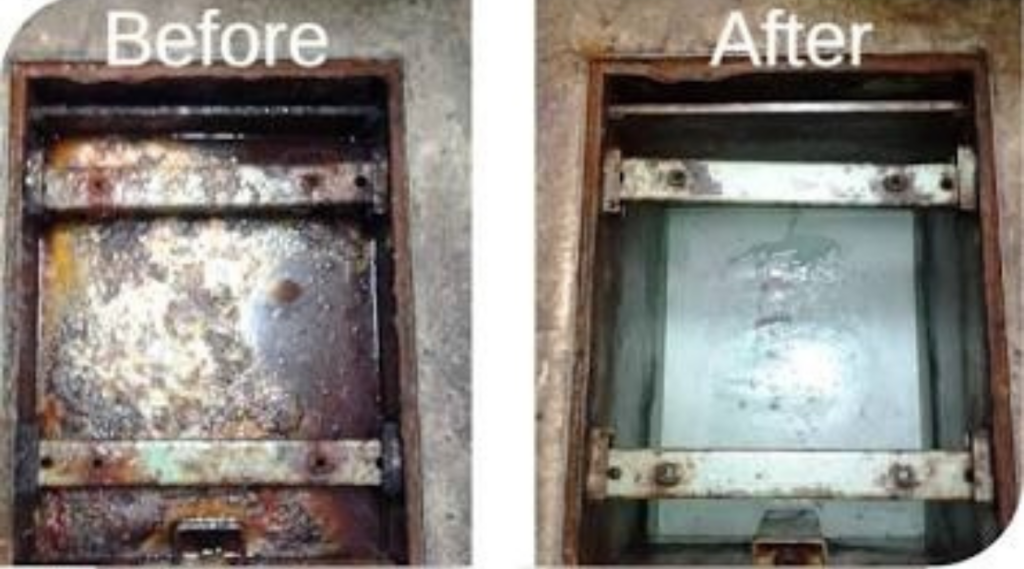
Whether you are launching a brand-new restaurant or upgrading an older commercial facility that keeps failing city inspections, your grease management infrastructure requires a major tactical layout plan.
Sizing and Interceptor Permits
Before breaking ground on any kitchen upgrade, you must submit architectural plumbing blueprints to your local utility board to secure an approved grease trap permit. Inspectors will analyze your seating capacity, fixture counts, and menu types to determine the exact liquid volume your facility requires to process waste safely.
Underground Grease Trap Installation
For high-volume kitchens, fast-food chains, and heavy-production facilities, small under-sink units are rarely sufficient to stay within the 25% rule for more than a few days. These operations require an intensive underground grease trap installation.
An underground grease trap installation places a large concrete or fiberglass interceptor tank (often ranging from 1,000 to 5,000 gallons) outside the building footprint. This allows the kitchen to manage massive quantities of hot wastewater safely. If you are building out a new site, you should look for certified grease trap installers near me who understand regional soil conditions, deep-trench safety protocols, and correct structural baffle positioning.
National and Regional Service Providers
Keeping your business compliant requires reliable partners who understand the paperwork trail required by law. Many regional operators rely on major industry brands like wind river environmental to handle their long-term compliance schedules.
National service groups, including branches like wind river environmental monroe Tx and wind river environmental vernon Tx, specialize in managing high-volume commercial accounts. They provide comprehensive services ranging from routine vacuum pumping to high-pressure line jetting and code compliance tracking. Working with established entities ensures that your environmental manifests are filled out perfectly, giving you a bulletproof paper trail to present to city auditors during surprise spot-checks.

Critical Kitchen Rules for Your Culinary Staff
To minimize your ongoing maintenance costs and prevent sudden kitchen emergencies, train your culinary team to follow these daily operational procedures:
- Implement a Strict Dry-Scrape Rule: Instruct dishwashers and busser teams to scrape all leftover food debris, cooking oils, and heavy sauces directly into the trash before bringing dishes to the pre-rinse station.
- Keep Trash Cans Near Prep Sinks: Ensure solid waste disposal is more convenient than washing scraps down the drain.
- Banish Chemical Solvents and Enzymes: Never pour chemical emulsifiers, enzymes, or boiling water flushes down the drain to clear a slow pipe. These chemicals only break up the grease temporarily. The FOG quickly cools and resolidifies further down the sewer line, which can hold your business legally and financially liable for municipal mainline blockages.

Safeguard Your Business Revenue: Schedule Your Service Today
Do not risk your hard-earned reputation, heavy municipal fines, or emergency closures due to slow-moving drains and ignored plumbing maintenance. Stay ahead of local codes, protect your building assets, and keep your kitchen running at peak performance with a certified, reliable maintenance plan.
Take control of your facility’s environmental compliance right now. Contact Grease Trap RepairTaxes today to schedule an immediate system inspection or to book your next professional grease trap cleaning Taxes service.